




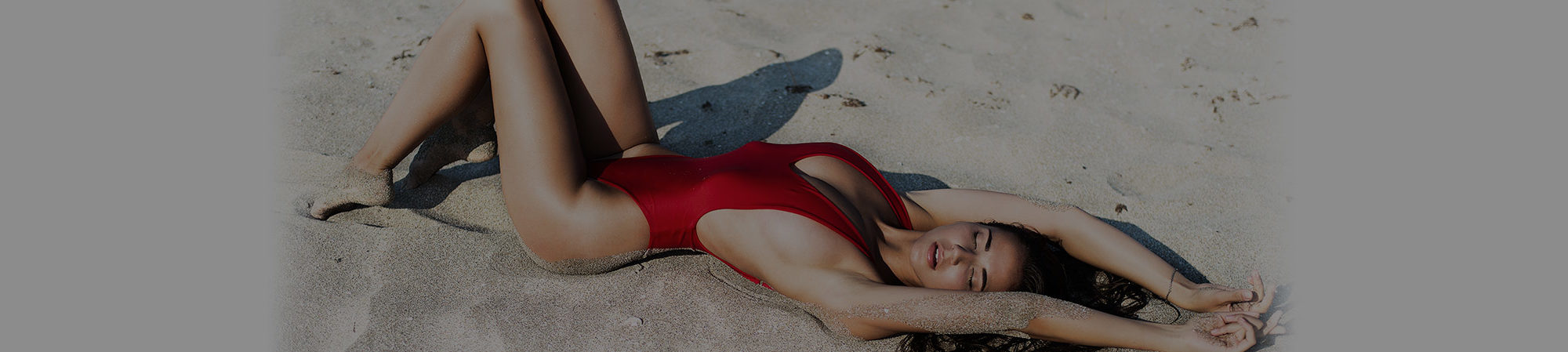
What is Breast Augmentation?
Breast augmentation is designed to alter the shape, change the texture or enlarge the breasts with the insertion of silicone or saline implants. The surgery is one of today’s most common cosmetic procedures that is requested by women and offers long-lasting results.Who Can Benefit from Breast Augmentation?
Most women are excellent candidates for breast augmentation. Augmentation is suitable for repairing:- Differences in breast size
- Increasing volume after pregnancies
- Replacing volume after a mastectomy
- Improving a woman’s overall proportions
- Creating a symmetrical appearance
Custom Breast Augmentation
Breast size and shape are important, so be honest and open about your expectations when talking with Dr. Rubinstein. The goal isn’t to try to achieve an exact “cup size”. More important is creating the best aesthetic shape, taking into consideration chest dimensions as well as overall height and weight. Dr. Rubinstein believes that each woman knows what is “right” for her body and he has developed a sizing process that enables you to see and feel different implant choices in a bra, in clothes, and in bathing suits, so you are confident about the size of your augmentation. Most doctors estimate the size of your breast implants. That is not the best way and Dr. Rubinstein never chooses implants in advance. To prepare for the breast augmentation consultation, Dr. Rubinstein has all of his potential patients partake in a “homework” assignment. You are asked to research such magazines as Playboy and Penthouse to find 5 or 6 examples of breasts you like and breasts you don’t like. Because all women have a size in mind, this is the perfect opportunity to have a candid conversation with Dr. Rubinstein regarding breasts that you consider “too big” or “too small”. When Dr. Rubinstein begins the breast augmentation procedure, he makes an incision, creates a pocket and places a “temporary” implant. He will then sit you up and test different volumes, as well as breast asymmetry. This is done because many times breasts are not the same size and one breast may need 300cc, while the other needs 400cc. Once the right volume for each breast is found, you will lay down and Dr. Rubinstein will put in the permanent implants. Dr. Rubinstein feels that his sizing process provides you with an accurate way to gauge the results of your augmentation. After surgery, his patients routinely report that their “size was just right,” “the size was perfect,” and most powerfully, “this is me!”Natrelle 410 Shaped Gel Implants
The Food and Drug Administration has approved Natrelle 410 Shaped Gel Implants, and Dr. Rubinstein is a preferred plastic surgeon for this new breast enhancement technology. He is excited about this brand of breast implant because it offers stability and simplicity when choosing the correct shape and size for each patient. With over 140 prefabricated sizes and shapes of Natrelle 410 cohesive gel implants available, there is a style that is perfect for each woman’s aesthetic goals and body shape. Natrelle 410 shaped gel implants have several benefits, such as:- No unsightly folds or rippling of an implant’s materials
- The implant retains the shape and position inside the body
- Providing a more youthful appearance for a woman
- Implants remain firm and more natural
What Can I Expect During Recovery?
Patients undergoing breast augmentation performed by Dr. Rubinstein require assistance after surgery due to discomfort from incisions and recovering from the effects of anesthesia. Someone will need to drive the patient home. You can shower immediately after surgery. After a few days of rest and limited activity, you can begin to resume your normal activities. The stitches that Dr. Rubinstein uses for breast augmentation are gradually absorbed by the body. An important part of recovery is wearing the appropriate postsurgical supportive brassiere that offers maximum support to keep implants in the correct positions during the recovery process. After surgery and during recovery, you will experience bruising and swelling of the breasts and surrounding tissue that may last several weeks. After a month, you begin to see the results of the surgery. Dr. Rubinstein provides a prescription for pain medication to reduce the discomfort many women feel from postsurgical soreness. To help prevent discomfort and avoid complications, you must sleep on your back with supportive pillows on each side to prevent rolling over. Additional postoperative instructions include no heavy lifting and avoiding bending along with strenuous activities for up to four weeks. You may engage in gentle sexual activity after one week, but the breasts may remain sensitive to touch for approximately one month after surgery. After breast augmentation surgery, a loss or gain in sensitivity in the surgical area is normal.What are Miami Breast Augmentation Costs?
Women who want to know the costs of breast augmentation performed by Dr. Rubinstein can contact our staff for more information. We welcome women to meet with us to discuss their personal aesthetic goals, learn about breast augmentation procedures and request details about prices and financing options. Dr. Rubinstein and his staff are proud to offer breast augmentation to women in South Florida, including Miami and Fort Lauderdale. Dr. Rubinstein wants to provide the best personalize care with excellent results to his patients. Contact our office today to schedule a consultation with Dr. Rubinstein to learn more about breast augmentation procedures. Women wanting to increase the size of their breasts or lift sagging breast tissue can contact Dr. Rubinstein at his medical facility in Aventura. He has successfully performed numerous breast augmentations for women residing in Miami, Fort Lauderdale, and throughout South Florida and welcomes the opportunity to serve new patients.Frequently Asked Questions
How long does breast augmentation surgery take?
Breast augmentation typically takes about an hour and a half to complete. During this time, the anesthesiologist will administer anesthesia to make you comfortable during the procedure and Dr. Rubinstein will introduce the breast implants into the breast pocket.
Can you get breast augmentation without implants?
Yes, there is an option to get breast augmentation without breast implants. The procedure, called body fat transfer, allows Dr. Rubinstein to harvest fat cells from one part of the body and transfer those fat cells into the breasts to increase their size and enhance their shape.
What are gummy bear implants?
Gummy bear breast implants are an endearing name for teardrop-shaped silicone breast implants. The gummy bear implants’ signature shape and cohesive gel filling are said to best mimic the natural look and feel of the breast, for the most natural-appearing results possible.
Do breast implants sag over time?
As we age, it’s natural for the breasts to lose volume and for the breast tissue to being to lose elasticity. This causes the breasts to sag. While breast implants do solve the problem of lost volume, they do not help with sagging breast tissue. To remedy this, we recommend considering a breast lift in conjunction with your breast augmentation.
How do you choose a breast implant size?
Choosing the right size and shape breast implant for you can sound overwhelming, but Dr. Rubinstein is here to help. During your one-on-one consultation, Dr. Rubinstein will take into account your lifestyle, budget, and aesthetic goals, then present you with potential breast implant options that will help you achieve your overall desired look.



STAY social
Like, follow and share Dr. Rubinstein’s social point view